
Ranking Every 2026 BMW SUV by Passenger and Cargo Space in Québec
Ranking Every 2026 BMW SUV by Passenger and Cargo Space in Québec
Posted on July 29, 2026
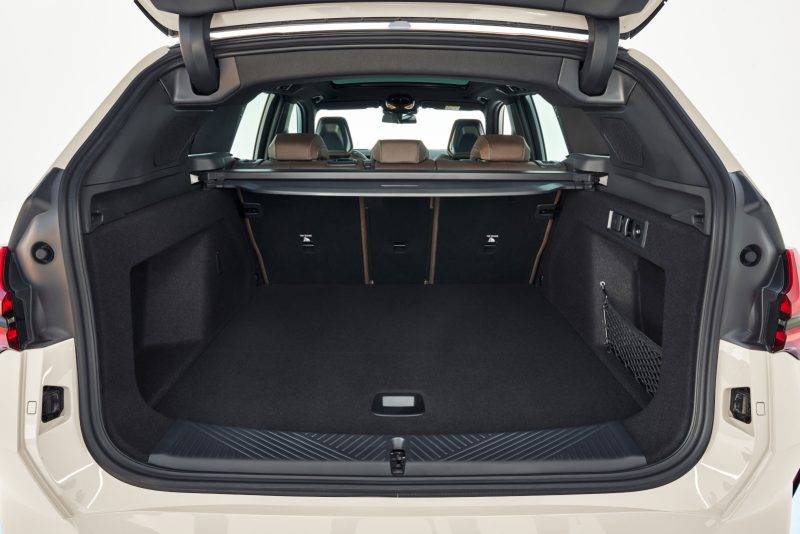
Shoppers comparing luxury SUVs usually start with one practical question: how much room does each model actually offer? BMW answers with seven distinct SUVs for 2026, running from the compact X1 all the way up to the three-row X7. Every one of them seats five or more adults, and every one of them offers a fold-flat cargo area that expands well beyond what the rear hatch first suggests.
This guide ranks the full 2026 BMW SUV lineup by cargo volume and passenger accommodation, using official manufacturer figures. Read on to see where each model lands, what makes it useful day to day, and which one matches the way your household hauls people, gear, and groceries.
The Full Ranking at a Glance
|
Rank |
Model |
Seating |
Cargo, Seats Up (L) |
Cargo, Seats Folded (L) |
|
1 |
BMW X7 |
6 or 7 |
326 |
2,120 |
|
2 |
BMW X5 |
5 |
650 |
1,870 |
|
3 |
BMW iX |
5 |
500 |
1,750 |
|
4 |
BMW X3 |
5 |
570 |
1,700 |
|
5 |
BMW X1 |
5 |
540 |
1,600 |
|
6 |
BMW X6 |
5 |
580 |
1,530 |
|
7 |
BMW X2 |
5 |
560 |
1,470 |
Two notes on the table. The X7 figure with all seats up reflects a full three rows of passengers in place; fold rows two and three and it opens up more room than anything else BMW builds. The X5 xDrive50e plug-in hybrid carries 500 to 1,720 litres due to its battery placement, still enough to lead most of the lineup.
1. BMW X7: The Most Room in the Lineup
The X7 is the largest SUV BMW builds, at 5,162 mm long with a 3,105 mm wheelbase. It seats seven as standard, or six with optional second-row comfort seats featuring integrated armrests. The second row slides fore and aft by up to 14.5 cm, so families can split legroom between rows as needed. Every seat adjustment is electric, including folding the second and third rows flat.
Practical touches make the space easy to use:
- 326 litres of cargo room with all three rows occupied, expanding to 2,120 litres with rows two and three folded
- A split tailgate with both sections powered as standard
- Standard air suspension that lowers the rear at the touch of a button for easier loading
- A three-section panoramic glass sunroof that brings natural light to all three rows
2. BMW X5: The Five-Seat Cargo Leader
No five-seat BMW SUV hauls more than the X5. The xDrive40i and M60i carry 650 litres behind the rear bench and up to 1,870 litres with the seats folded. The xDrive50e plug-in hybrid trades a portion of that room for a battery pack good for up to 64 km of electric range, and still delivers up to 1,720 litres of maximum capacity. A flexible fold-down rear bench and an optional automated luggage compartment package with an electric roller blind and anti-slip rails keep the space easy to organize.
3. BMW iX: Electric Range Without a Space Penalty
The iX proves that going fully electric costs nothing in daily practicality. Its flat-floor architecture yields 500 to 1,750 litres of cargo room, third in the entire lineup. Passenger space is equally strong: 1,055 mm of front headroom, 1,021 mm of front legroom, and 1,562 mm of front shoulder room, with generous figures for the rear bench as well. With up to 113.4 kWh of usable battery capacity on the xDrive60, it pairs long-distance range with real family utility.
4. BMW X3: The Practical Sweet Spot
The X3 lands fourth with 570 to 1,700 litres, a figure that puts BMW’s mid-size entry within reach of the much larger X6. That efficiency of packaging is the story here: the X3 delivers nearly the cargo ceiling of larger SUVs in a footprint that fits tighter parking spots and smaller garages. Standard heated, electrically adjustable sport seats keep all five occupants comfortable through the cold months.
5. BMW X1: Small Footprint, Big Numbers
At 4,505 mm long, the X1 is the smallest SUV BMW sells, yet it holds 540 to 1,600 litres of cargo. That maximum figure beats both the X6 and X2, each of which is a physically larger vehicle. For city households that want genuine utility without a large footprint, the X1 punches far above its size class.
6. BMW X6: Coupe Style That Still Hauls
The X6 trades some vertical cargo room for its sloping roofline, and the trade is smaller than the silhouette suggests: 580 litres behind the rear seats, expanding to 1,530 litres. That seats-up figure ranks third in the lineup, ahead of the X3, X1, and X2. Buyers who want the X5’s platform with a sportier profile give up less practicality than expected.
7. BMW X2: The Style Pick With Real Utility
The X2 closes the ranking, and its numbers remain honest for a compact coupe-styled SUV: 560 litres with five adults aboard and 1,470 litres maximum. The 40:20:40 split-folding rear bench adds flexibility, letting owners carry skis or lumber down the middle while two passengers stay seated. Rear shoulder, elbow, and knee room all grew over the previous generation.
Which BMW SUV Fits Your Space Needs?
Large households and frequent road-trippers should look first at the X7, the only three-row model here. Buyers who want maximum cargo with five seats are best served by the X5, while EV shoppers get near-identical utility from the iX. The X3 offers the strongest balance of size and capacity, the X1 wins on space per dollar of footprint, and the X6 and X2 serve buyers who put design first without giving up a usable hatch. Across all seven, the consistent theme is generous passenger room and fold-flat flexibility that many rival lineups struggle to match at every size point.
Compare All Seven in Person at BMW Laval
Numbers on a page only go so far; cargo areas and rear benches deserve a real-world test with your own stroller, hockey bag, or hardware run in mind. Visit the team at BMW Laval in Laval to walk the 2026 SUV lineup, fold the seats yourself, and find the model sized right for your family.